- FoodBook - find out about new food taste and experiences
St David’s Day: Difference between revisions
Jump to navigation
Jump to search
No edit summary |
No edit summary |
||
| Line 17: | Line 17: | ||
https://m.media-amazon.com/images/I/41i7WrSxLmL._AC_SY500_.jpg | https://m.media-amazon.com/images/I/41i7WrSxLmL._AC_SY500_.jpg | ||
Welsh meal of cawl | Welsh meal of cawl/Chciken | ||
https://amzn.to/3U5nUNo | |||
https://m.media-amazon.com/images/I/81WmIVwblkL._AC_SY606_.jpg | |||
Glamorgan sausages | Glamorgan sausages | ||
https://amzn.to/3vIsiry | |||
https://m.media-amazon.com/images/I/71gXlmd7vPL._AC_SY741_.jpg | |||
[[Category:St David’s Day]] | [[Category:St David’s Day]] | ||
Latest revision as of 13:01, 17 January 2024
St David’s Day
1st March
Traditionally known as the “feast day of Saint David”, March 1st has been a day of celebration in Wales since the 12th century and as well as St David as his achievements, it's a day to honour Wales as a whole. St David was the greatest figure in the 6th century Welsh Age of Saints, founder of scores of religious communities, and the only native-born patron saint of the countries of Britain and Ireland.
St David died on 1 March – St David’s Day - in 589. He was canonised by Pope Callixtus in the 12th century, and we have celebrated St David’s Day ever since.
Welsh cakes

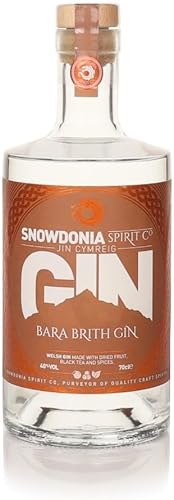
Bara Brith
Welsh meal of cawl/Chciken

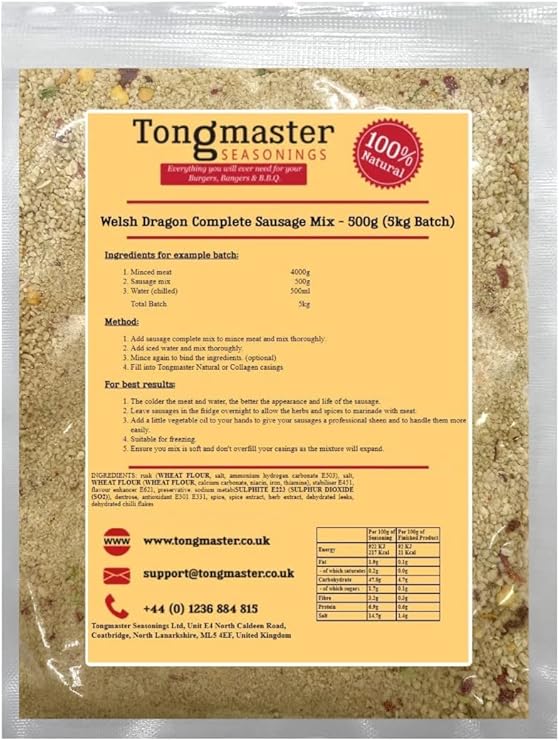
Glamorgan sausages